Samantha Carter
· Updated
What is a Dummy Ticket? Purpose & How to Use It
Use our guide to learn about dummy tickets, how to use them, and how to stay safe with your visa application
 Samantha Carter
· Updated
Use our guide to learn about dummy tickets, how to use them, and how to stay safe with your visa application
A real reservation in the airline's system with its own booking code (PNR).

Understanding dummy tickets can save travelers hundreds of dollars on flights bought before a visa is decided.
These flight reservations are widely used as proof of travel plans for visa applications and onward travel checks. This guide explains what dummy tickets are, their legal status, and how to book one safely.
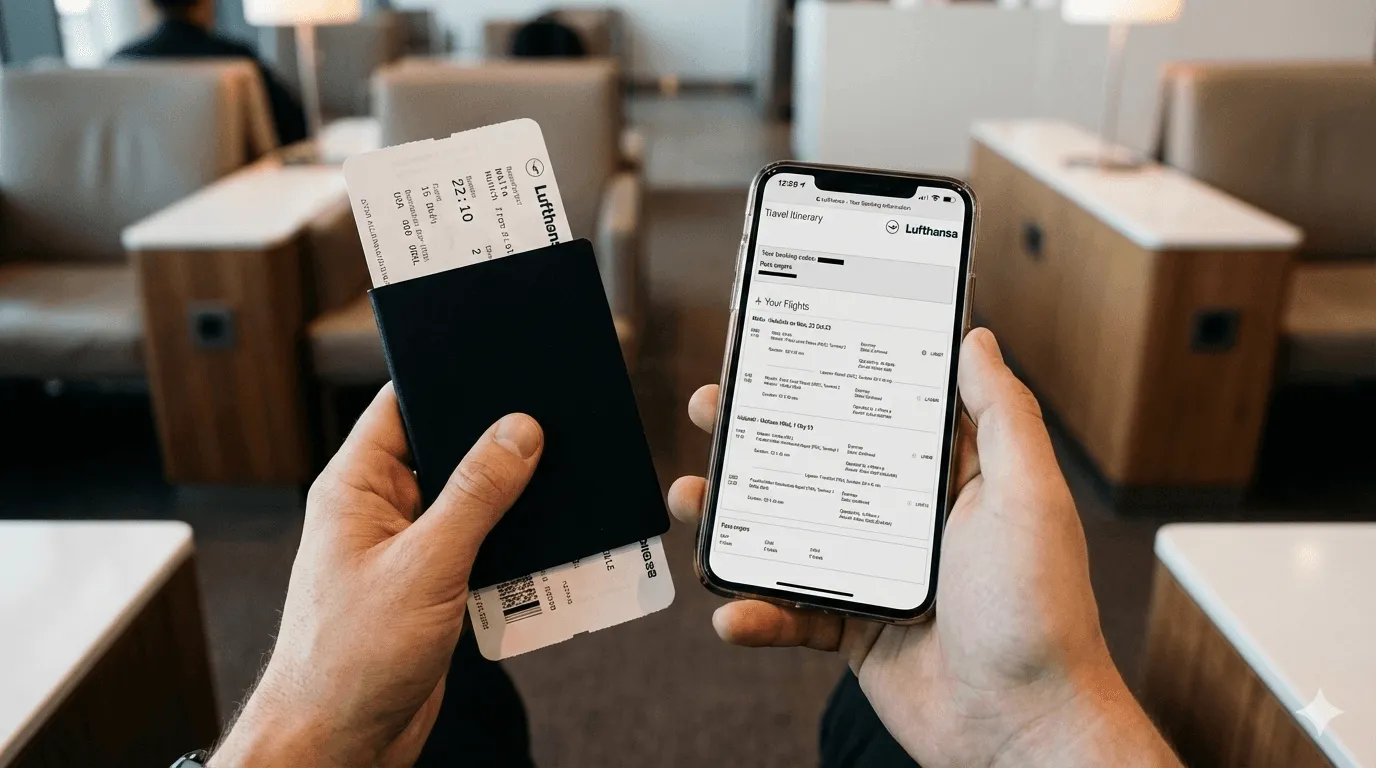
A dummy ticket is a reservation for a flight that hasn't been paid for. More specifically, it's a flight reservation that serves as proof of travel plans for visa applications. The reservation shows the traveler's name, flight number, destination and scheduled departure and arrival times.
Unlike fake or photoshopped documents, legitimate dummy tickets are actual reservations made with the airline, and a PNR code is generated with your name and travel details. The key distinguishing feature is the PNR: a 6-character booking reference made of letters and numbers, provided by the airline, which you can look up on the airline's website using its "Manage my booking" tool. It isn't a paid ticket, so it has no ticket number and you can't fly on it.
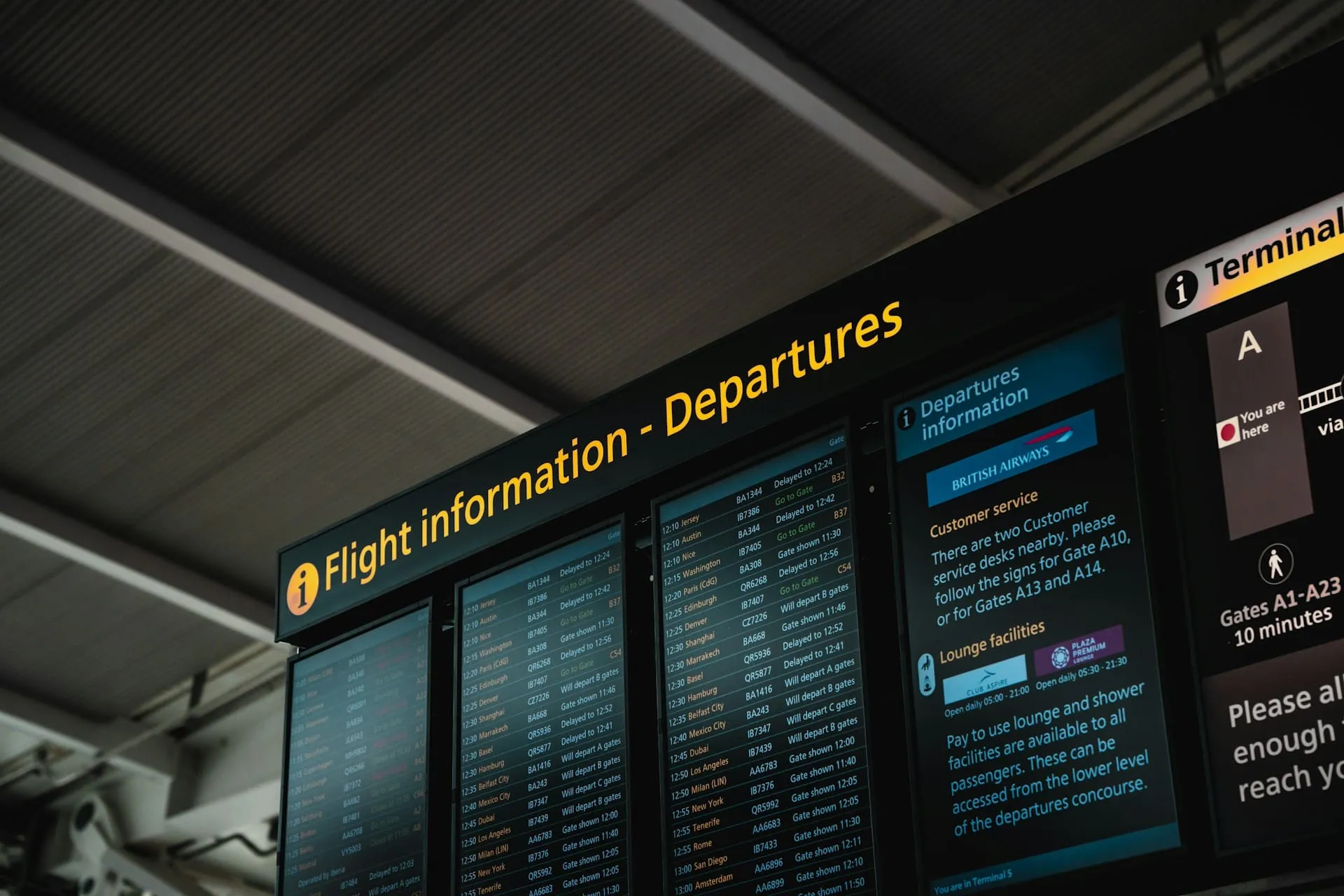
Proof of onward travel is documentation showing travelers will leave a country within their permitted stay period. Its primary purpose is to reassure immigration authorities and consulates that you have concrete plans to exit their territory within your permitted duration of stay. Many countries enforce this requirement strictly, particularly for tourists entering on visa-free arrangements.
Many countries now require proof of onward travel before letting you in. What counts depends on the country: Thailand's embassy lists confirmed air, train, bus or boat tickets, while airlines checking you in often want to see an onward flight. This requirement exists because:
Booking a legitimate dummy ticket involves a straightforward process through reputable providers.
Here's the step-by-step method:
Choose a provider that gives you a real airline booking code (PNR), like Dummy Flights. Click the buy button on our homepage, search your route and the dates in your visa application, then pick a flight from the results.
Fill the form completely with:
Pay by card, through Stripe's secure checkout. One-way $15 per passenger. Round trip $19 per passenger.
Once it's booked, we email you the reservation PDF with the airline booking code (PNR). It's ready for printing or digital submission.
Open the airline's Manage Booking page and enter the airline booking code (PNR) and your surname. If it doesn't show, message us straight away.

Showing a reservation as your travel plan is normal, and many consulates ask for one instead of a paid ticket. Ours is a real airline booking that hasn't been paid for yet, so never say or write that it's a paid ticket.
For Schengen visas, the EU Visa Code lists a "reservation of or return or round ticket" among the documents a consulate may ask for to judge whether you intend to leave. Because a visa can be refused, applicants often don't want to risk money on a non-refundable ticket before the decision, and a reservation shows their planned dates without that cost.
Safety depends on the source. A reservation you can look up on the airline's website is a real booking, and a made-up PDF is not. The airline at check-in, the border officer and the consulate decide what they accept. A reservation is widely used as proof of travel plans, but it doesn't guarantee boarding, entry or a visa.
Look-up: Consulates and airlines can look up a booking reference on the airline's website. A reservation shows as booked but not ticketed.
Where it's used for visas: What a consulate asks for depends on the country you apply to:
A fake ticket is a completely fraudulent document, usually a photoshopped PDF or edited image with made-up PNR codes that don't exist in any airline system. These are illegal and easily detected. A dummy ticket is a real reservation made in the airline's system, with a booking code (PNR) that consulates and airlines can look up on the airline's website. A fake ticket is fraud, while a dummy ticket is a real booking that hasn't been paid for yet.
A real ticket is fully paid and has an issued ticket number, which is what lets you board. A dummy ticket is a reservation: a booking in the airline's system with its own booking code, but no payment and no ticket number.
Your reservation goes live the moment we book it, straight after you pay, and stays live for at least 48 hours. Your confirmation shows the exact expiry time. If the airline cancels it early, we'll book you a new one for free, once. Book it close to when you need it: the day before your flight, or the day before you hand in your visa application.
Yes. Consulates and airlines can look up a booking reference on the airline's website, and a made-up code won't show. A fake booking can get your visa refused and recorded as fraud, which affects future applications.
Countries that ask for it include Thailand, Indonesia, the Philippines and New Zealand, usually for visitors who don't get a visa before they travel. New Zealand, and the US if you're entering visa-free on an ESTA, ask for an issued ticket. A reservation isn't enough there. Requirements vary and can change, so checking current regulations before travel is essential.
At Dummy Flights, a one-way reservation is $15 per passenger and a round trip is $19 per passenger. The price covers making a real booking in the airline's system. Before you rely on a free option, check that its booking code opens on the airline's own website.
We can't change a reservation once it's booked. If your plans change, book a new one. Spotted a typo in a name? Message us straight away.
With a reservation, the money at stake is the reservation price, not the fare of a non-refundable ticket. We refund your order if we couldn't deliver the reservation as described: see our refund policy. We don't refund a reservation after it's booked because your plans changed, or because of a visa decision.
Most Schengen consulates ask for a flight reservation rather than a paid ticket. Book it the day before you submit, so it's live when you hand in your file. It will usually have expired by the time the consulate decides, and consulates can check. If yours asks for a reservation that's still valid when they decide, or for a paid ticket, this isn't the right product. A reservation doesn't guarantee a visa. Greek visas applied for in the UK need a paid airline ticket, so don't use a reservation for those.
Yes, an unpaid reservation can be cancelled by the airline, which is why timing matters. If the airline cancels yours early, we'll book you a new one for free, once.
No. It's a real booking in the airline's system with its own booking code, but it isn't paid, so it has no ticket number and you can't fly on it. If you decide to take the flight, book a ticket as normal.
Check the PNR on the airline's own website using the "Manage My Booking" section. Enter the airline booking code at the top of your PDF, not our order number, and the passenger surname. A real reservation shows the same details as the PDF while it's live.
Dummy tickets are a practical way to show your travel plans for a visa without risking money on a flight before the decision. Choose a provider whose booking code opens on the airline's own website, book it close to when you need it, and if anyone asks, say it's a reservation. The small cost of a real reservation is far less than losing money on a non-refundable flight before your visa is decided.
Checked October 2026.